



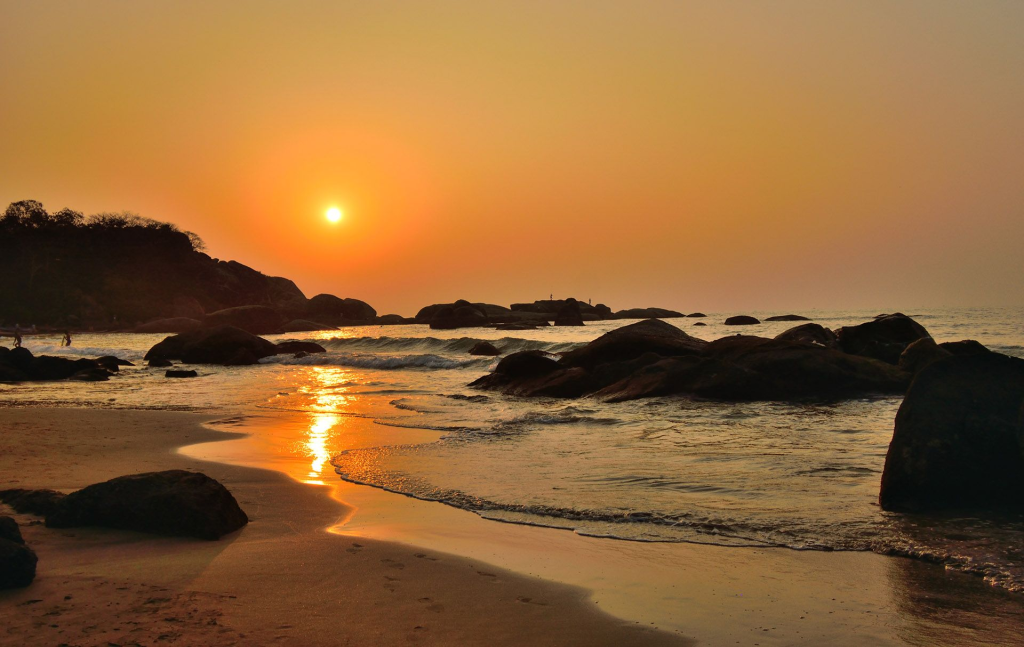
South Goa is where Goa slows down—in the best way. Fewer loud parties, longer empty stretches of sand, and sunsets that feel like you accidentally wandered into a postcard.
This guide is built for real trip planning, not just “top 10” name-dropping. You’ll get:
- the most peaceful beaches (with where to stand to avoid crowds),
- clean-sand spots that feel “fresh” even in peak season,
- sunset “positions” (yes, it matters),
- what to pack, what to skip, and the mistakes that ruin a beach day.
Save it. Use it. Come back to it before every Goa trip.
60-second beach picker (choose your vibe)
If you want the calmest, cleanest “do nothing” beach day:
- Agonda Beach (long, clean, quiet, easy to reach)
If you want a “hidden lagoon + beach” combo day:
- Cola Beach (lagoon + sea, feels remote)
If you want a dramatic, almost-private beach under cliffs:
- Cabo de Rama Beach (quiet + scenic, near the fort)
If you want the famous South Goa sunset curve + plenty of food options:
- Palolem Beach (beautiful crescent bay, lively but still chill if you pick the right spots)
If you want “Palolem energy” but quieter:
- Patnem Beach (softer pace, yoga/massage vibe)
If you want a pristine beach where nature comes first:
- Galgibaga Beach (protected turtle nesting area; fewer shacks, more silence)
If you want a tiny, postcard cove for a short “wow” visit:
- Butterfly Beach (usually reached by boat/trek; go prepared)
Step-by-step: how to build the perfect South Goa beach day
Step 1: Pick your “base zone” (this saves hours)
South Goa beaches fall into two practical clusters:
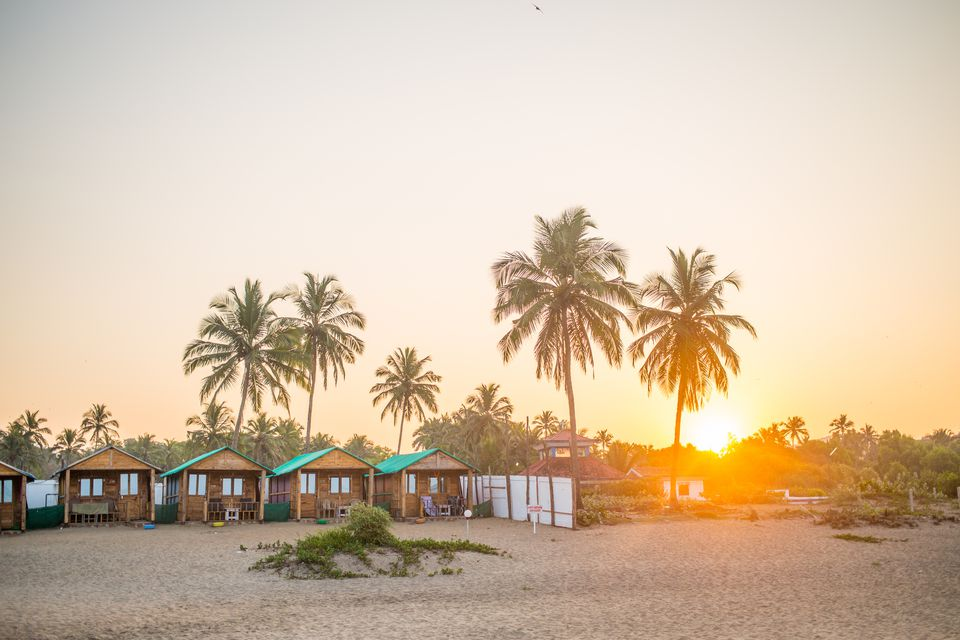
- Canacona belt (Palolem–Patnem–Agonda–Cola–Galgibaga): best for peace + nature + sunsets.
- Colva/Varca/Cavelossim belt: best for wide, easy beaches + family comfort + resort convenience.
If your trip is 2–3 days, base yourself in Canacona for the most “South Goa” experience.
Step 2: Time your beach like a pro (not like a tourist)
A beach day has 3 “personalities”:
- Morning (7:00–10:30): cleanest sand, lowest crowd, best photos, best walks.
- Midday (11:00–3:00): harsh sun—plan lunch, shade, a lagoon dip, or a nap.
- Golden hour → sunset (5:00–6:45-ish): the main event.
Pro move: Do your walking + exploring in the morning. Save your sitting for sunset.
Step 3: Decide your “sunset seat”
Sunset isn’t just “go to beach.” It’s: where do you sit so you don’t stare at people’s backs?
- Look for a gentle curve, a rocky edge, or an open stretch with fewer shacks.
- Stand near the edge of the bay (left/right end), not the center.
Step 4: Pack the 7 things that change everything
Bring these, and your beach day feels premium even on a budget:
- Small mat/sarong (clean seat anywhere)
- Refillable bottle + electrolytes sachet
- Sunscreen + cap (reapply; Goa sun is sneaky)
- Flip-flops + one “water shoe” option (rocks/hot sand)
- Mosquito repellent (sunset = mosquito time)
- Wet wipes + tiny garbage bag (clean hands, clean beach)
- Cash (many small places still prefer it)
Step 5: Use one “anchor plan”
Pick ONE anchor per day so it doesn’t become chaotic:
- Anchor A: Sunset + dinner
- Anchor B: Lagoon swim + picnic
- Anchor C: Fort view + beach
Everything else becomes optional—this is how you actually relax.
The best beaches in South Goa (peace + clean sand + sunsets)
1) Agonda: the “clean, calm, long-walk” champion
If someone says “I want peace,” this is usually the safest answer. It’s known for being clean and less crowded compared to many Goa beaches, with a long shoreline that makes it easy to find your own space.
Why it’s perfect for peace
- The beach is long enough that crowds don’t feel concentrated.
- You can walk 5–10 minutes away from any busy patch and it becomes quiet.
Where to go for the best sunset
- Don’t stop at the first cluster of sunbeds.
- Walk toward either end until the shacks thin out—your sunset photos instantly look “private.”
Small but useful tips
- Best walk: barefoot at the waterline in the morning (firm sand, cooler temperature).
- Swimming: usually calmer than many open-ocean beaches, but always watch current and local flags (conditions change fast).
- If you hate being bothered: Agonda is relatively undisturbed, with fewer hawkers on the beach.
Best for: solo travelers, couples, slow-day lovers, readers, anyone who wants “do nothing” without guilt.
2) Cola: the “lagoon meets sea” hidden-day experience
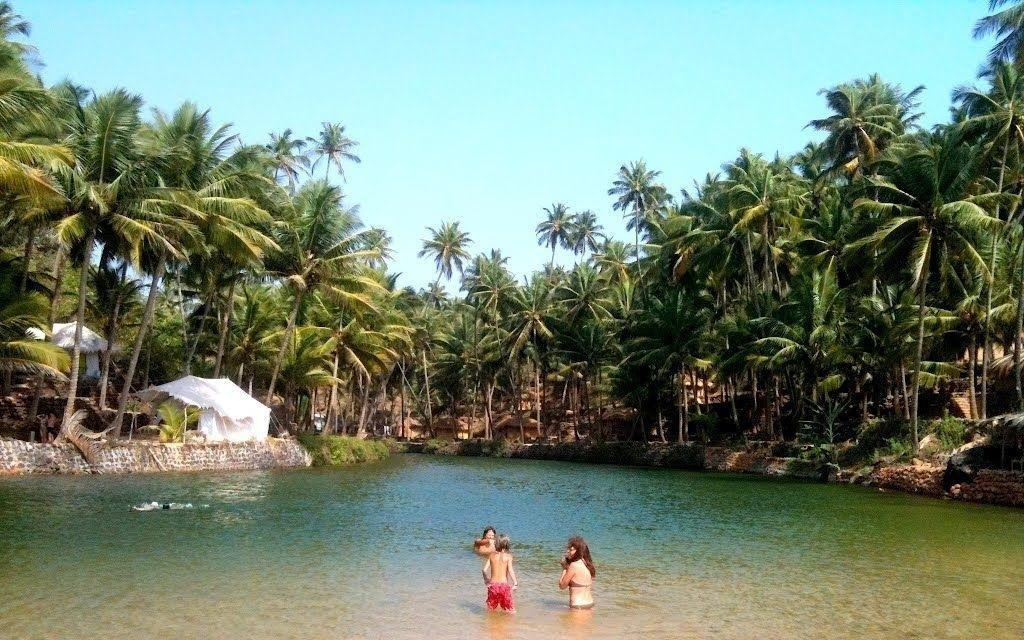
Cola is special because it’s not just a beach—it’s a two-water day: sea + lagoon. It often feels cut-off and private-feeling, with a lagoon right by the beach.
Why it feels different
- You’re not only looking at waves—you can float in calmer lagoon water too.
- The whole place feels like a mini retreat because it’s less “walk-in” than popular beaches.
How to plan it (so it doesn’t become stressful)
- Go earlier (morning) so you’re not rushing the rougher approach roads in the dark.
- Carry water/snacks—options can be limited compared to Palolem/Agonda.
Sunset tip
- Sunset is gorgeous, but the real magic is late afternoon when the lagoon reflections go cinematic.
- If you’re choosing between “beach sunset” and “lagoon glow,” do both: lagoon first, then move to the sea-facing sand.
Best for: people who want a “hidden gem” day, couples, photographers, anyone bored of typical beaches.
3) Cabo de Rama: cliffs, quiet, and a “secret beach” feel
This beach is for people who want silence with scenery. It’s also a great combo day because Cabo de Rama Fort sits above, giving big panoramic views.
Why it’s peaceful
- It’s not a “hop-in-hop-out” beach for most tourists, so it stays calmer.
- The backdrop (cliffs + greenery) makes it feel wild and untouched.
The best way to do it
- Do the fort first (late afternoon) for the view.
- Then go down to the beach for a quieter sunset vibe.
Mini safety note
- Some access paths can be rocky/steep—wear shoes you trust, not slippery flip-flops.
- If the sea looks rough, keep your swim shallow or skip it.
Best for: quiet explorers, dramatic landscapes, couples who want “almost-private” vibe.
4) Palolem: famous for a reason (and still peaceful if you know where to stand)
Palolem is one of South Goa’s most loved beaches, famous for its crescent shape and scenic bay. It can get lively, but you can still find peace—you just need the right strategy.
How to enjoy Palolem without the crowd feeling
- The center gets busy.
- Walk toward either end of the crescent; it becomes calmer and more “nature-forward.”
Best sunset positioning
- Pick a spot where you can see the curve of the bay and the sky opening up.
- If you want a quieter sunset, arrive a bit early and claim your “line of sight.”
Small but gold tips
- If your phone battery dies: you’ll regret it—Palolem sunset is one of those “record this” moments.
- If you’re staying nearby, do a sunset + dinner plan here once, then use other days for quieter beaches.
Best for: first-timers, people who want both comfort and beauty, sunset lovers who also want food options nearby.
5) Patnem: the quieter cousin next to Palolem
Patnem sits close to Palolem and is often described as mellower, with wellness vibes like yoga and massage options.
What it’s best at
- A slower, softer beach day where nothing feels rushed.
- You can still get a great sunset, but with less buzz than Palolem.
How to do Patnem well
- Morning: slow breakfast + walk the entire stretch.
- Evening: pick a simple seat, watch sunset, keep the night calm.
Best for: wellness travelers, people who like “quiet but not empty,” relaxed couples.
6) Galgibaga: pristine, protected, and deeply peaceful
This is where you go when you want nature to feel bigger than tourism. Galgibaga is known as a protected nesting ground for Olive Ridley turtles.
Why it’s special
- Less commercial development, fewer distractions.
- The silence feels “real,” not curated.
How to visit responsibly (important)
- Follow signs and local guidance around protected zones.
- Avoid bright lights at night near nesting areas.
- Don’t chase, touch, or crowd any wildlife.
What to expect
- Don’t come here expecting lots of shacks or constant service.
- Come for long walks, clean air, and a reset for your brain.
Best for: people who want pure quiet, nature lovers, mindful travelers.
7) Butterfly Beach: tiny cove energy (short visit, big memory)
Butterfly Beach is often described as a hidden, secluded spot—typically approached by boat or trek—so it works best as a planned mini-adventure, not a lazy all-day hang.
How to enjoy it (without ruining your day)
- Go with water + snacks.
- Treat it like a 1–2 hour “wow stop,” then return to a main beach for sunset/dinner.
Pro photo tip
- Early morning or late afternoon gives you better light and fewer people.
Best for: quick explorers, photographers, people collecting “secret beaches.”
3 ready-made South Goa beach itineraries (copy-paste for your trip)
Itinerary 1: The “peace first” day (zero stress)
- Morning: Agonda long walk + breakfast
- Midday: rest/shade (don’t fight the sun)
- Evening: Agonda sunset + early dinner
Why it works: you never rush, you never over-plan.
Itinerary 2: The “hidden gem” day (lagoon + beach)
- Morning: Cola arrival + lagoon time
- Midday: slow lunch / shade break
- Evening: beach sunset (same area)
Why it works: one location, two experiences.
Itinerary 3: The “scenic + quiet” day (fort + beach)
- Late afternoon: Cabo de Rama Fort view
- Sunset: Cabo de Rama Beach
Why it works: high impact, low crowd.
Tiny details that make South Goa beaches better
Sunset checklist (do this once, thank yourself forever)
- Arrive 30–45 minutes before sunset.
- Put phone on Do Not Disturb.
- Sit where you can see open sky, not a wall of shacks.
- Watch the after-sunset too—often the best colors come 10 minutes later.
What people forget (and regret)
- Cash for small payments
- A light layer (breeze can feel chilly after sunset)
- Bug spray
- Basic first-aid (band-aid + antiseptic wipes)
Swim smarter, not braver
- If waves look unpredictable, keep it shallow.
- Ask locals if there’s a known undertow that day.
- If you’re unsure: walk, sit, float near shore—don’t fight the sea.
Keep the beaches clean (without being preachy)
Do this and you’ll feel proud every time you come back:
- Carry a small bag for your own waste.
- Don’t leave bottles, cigarette butts, or food scraps in the sand.
- Respect protected zones (especially at turtle beaches).
Quick FAQs
Which South Goa beach is best for absolute peace?
Agonda and Galgibaga are strong choices when you want calm and space.
Which one has the most “wow, save this place” feeling?
Cola (lagoon + sea) for the unique setting.
Which is best if I want peace but also easy food options?
Palolem (pick the quieter ends) or Patnem (generally mellower).
When is the best season?
Dry months are commonly recommended for comfortable weather and beach time in South Goa.
Final tip: don’t “collect beaches”—let one beach collect you
The best South Goa memories usually come from one slow beach day, not five rushed check-ins.
Pick your vibe, pick your beach, and give it time:
- walk,
- sit,
- watch the sky change,
- stay for the afterglow,
- and leave the sand cleaner than you found it.

Leave a Reply
You must be logged in to post a comment.