Introduction
Learning to control an aircraft demands organized preparation, disciplined practice, and realistic financial planning. Aspiring flyers must comprehend navigation principles, master manual cockpit controls, and pass rigorous fitness screenings. Prospective aviators consult the global discovery platform Bestpilotsnow.com to compare flying academies, certification tracks, and professional flying opportunities. Within this accessible guide, readers explore every stage necessary to collect an official pilot certification. Beginners review the core differences between private flying privileges, commercial ratings, and multi-crew airline programs. The text highlights essential insights regarding flight training expenses, school selection standards, and operational aircraft fleets. Readers also discover common student missteps alongside realistic flight scenarios and aviation job routes. This practical manual uses clear, everyday language so newcomers can map out their aviation journey with total clarity.
What Does a Pilot Do?
Pilots command airborne craft to transport passengers and vital cargo across regional and global skies. Major airline captains guide wide-body passenger jets between major metropolitan hubs on strict timetables. Air freight crew members transport critical parcels and medical goods overnight through turbulent weather. Private corporate aviators operate executive jets to connect business teams with regional airstrips. Dedicated flight teachers guide novice students through basic stalls, level turns, and crosswind landings. Every airman conducts meticulous inspections before taxiing onto an active runway. Crews check barometric pressures, study terminal area forecasts, and verify balance calculations. Aviators maintain continuous two-way communication with regional air traffic control sectors. In the cockpit, captains and first officers cross-check electronic flight displays and split critical operating tasks. Clear communication and level-headed decisions ensure cabin safety whenever unexpected storms develop. Pilots maintain peak situational awareness throughout long, challenging duty shifts.
How to Become a Pilot
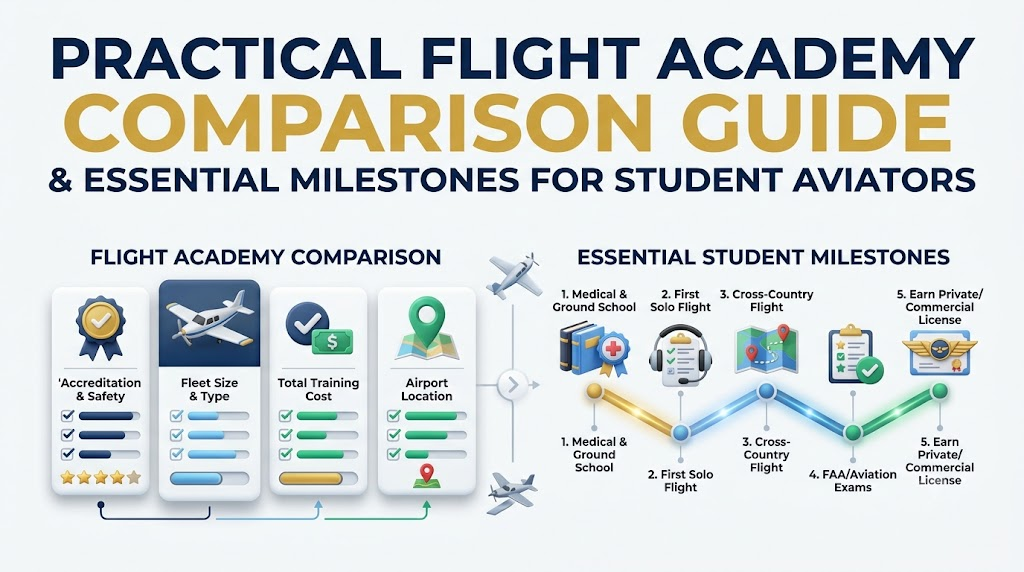
Aspiring aviators master the core flight milestones by following an orderly, step-by-step path. Candidates first satisfy regional age minimums, reading benchmarks, and English language fluency rules. Most civil aviation administrations require students to reach seventeen years of age before testing for a private certificate. Next, candidates schedule an appointment with an authorized aviation medical doctor. The doctor examines cardiovascular performance, inner ear health, and visual clarity before granting clearance. Trainees then enroll in ground school classes in local lecture rooms or interactive digital portals. Ground courses teach navigation charts, aerodynamics, flight computer calculations, and civil aviation rules. Students also book dual flight lessons in training aircraft alongside certified instructors. Soon, novices complete their maiden solo circuit without an instructor in the cockpit. Candidates log solo cross-country navigational routes, clear computer-based theory exams, and pass a practical checkride. Local aviation authorities enforce unique local guidelines, so candidates must confirm domestic rules. Ambitious candidates evaluate accredited schools and step-by-step licensing paths on bestpilotsnow.com today.
How to Choose the Best Flight Schools
Choosing a reputable flying academy shapes your safety foundation and determines training momentum. Students must verify that the domestic civil aviation authority officially accredits the facility. Review the instructor roster carefully to confirm their instruction experience and total flight hours. Candidates should visit the maintenance hangars to check the training fleet firsthand. Modern, well-maintained aircraft fly regular schedules instead of sitting grounded awaiting replacement parts. Examine institutional safety records and interview current flight students regarding plane scheduling availability. Regional climate directly affects training timelines, because sunny regions allow uninterrupted flight calendars. An aviation directory like Best Pilots Now assists early research by organizing flight school profiles in one spot. Always verify flight hour rates, fuel surcharges, and school reputations independently before paying advance tuition fees.
| Selection Factor | What to Look For | Why It Matters |
| School Approval | Valid civil aviation authority certification | Ensures your logged flight hours count toward official licenses |
| Fleet Quality | Clean, operational, modern airplanes | Minimizes cancelled flights due to unexpected mechanical fixes |
| Instructor Depth | Dedicated, experienced flight teachers | Provides consistent flying lessons without frequent teacher changes |
| Local Weather | Consistent sunny skies and gentle winds | Keeps training on schedule by avoiding seasonal weather delays |
| Fair Pricing | Detailed fee sheets showing fuel surcharges | Protects your overall budget from surprise billing additions |
Types of Pilot Training Courses
Different career destinations require unique pilot training courses and ratings. Private pilot license training serves as the initial foundation for virtually every aviator. This foundational license allows pilots to fly relatives and friends on non-commercial personal trips. Private pilots cannot accept monetary wages or compensation for their flight services. Earning a regular flying paycheck requires commercial pilot training. This advanced syllabus emphasizes complex aircraft systems, long-range navigation, and rigorous safety margins. Aviators aiming for passenger carrier cockpits next pursue airline pilot training tracks or airline cadet courses. These comprehensive curricula train pilots for high-altitude passenger operations using multi-crew procedures. Eventually, pilots register for type rating courses. A type rating qualifies an aviator to command a specific transport-category jet model, like an Airbus A320 or Boeing 777. Licensing rules and syllabus requirements differ internationally, so candidates must select courses with care.
Understanding Pilot Training Cost
Pilot training budgets fluctuate widely based on distinct aircraft needs and flight frequency. Final training bills depend heavily on airplane rental fees, local fuel rates, and airport location. Practical flight hours represent the largest portion of any student pilot invoice. Students pay an hourly rental fee for the aircraft and a separate hourly fee for the certified instructor. Classroom theory lectures, digital study subscriptions, aviation charts, and text manuals add to the total. Candidates must also reserve funds for official medical certificates, licensing exams, logbooks, and noise-cancelling headsets. Relocating students need additional funds to cover apartment leases, dining, and daily travel to the runway. Many trainees require additional dual flight hours to master difficult maneuvers before their practical checkride. Request itemized price schedules and compare aircraft rental rates across several flight schools before enrolling. Beginners can start their cost comparisons on Best Pilots Now before visiting local airfields.
| Expense Item | What It Covers | Budget Advice |
| Aircraft Rental | Airplane flight time and fuel use | Fly multiple times per week to build skills quickly |
| Flight Instructor | Direct instruction in the air and classroom | Pick an instructor whose teaching style fits your learning pace |
| Exams and Fees | Government written exams and checkrides | Study the material early to pass every exam on the first attempt |
| Gear and Headsets | Headsets, navigation plotters, and logbooks | Purchase durable, quality gear that will last your entire career |
| Living Costs | Rent, food, and daily travel near the airport | Save a living cash reserve before starting a full-time course |
Medical Checks and Flight Safety
Aviation regulators require every pilot to hold an active medical certificate. Aviation medical examiners check distance vision, peripheral eyesight, color perception, hearing, and heart health. Doctors also evaluate blood pressure and review past medical records for chronic health conditions. A basic medical clearance supports recreational weekend flying, while commercial airlines require the strictest first-class certificates. Beyond health checks, disciplined aircrews maintain solid safety habits during every single flight. Aviators study terminal weather forecasts, crosswind limits, and freezing levels before opening the cockpit door. Pilots conduct hands-on walkaround inspections to check control surfaces, tire wear, and engine oil levels before startup. Safe airmen never operate an aircraft while battling sickness, severe exhaustion, or personal stress. Confirm official civil aviation medical standards before paying for your initial flying lessons.
Real-Life Scenarios / Experiences
- A focused student flies three mornings per week, reviews flight manuals every night, and earns a private certificate within four months.
- An irregular student books one lesson every two weeks, loses practical touch between flights, and spends extra money repeating basic maneuvers.
- A commercial student trains at an airport with severe winter snowstorms, encounters long weather cancellations, and finishes the syllabus three months late.
- A newly certified commercial pilot completes flight instructor training, teaches rookie students, and builds required career hours while collecting an hourly wage.
Pilot Jobs and How to Hire a Pilot
Commercial aviation offers numerous professional avenues once a pilot collects commercial credentials. Many fresh commercial aviators work as certified flight instructors to build their total flight time. Other pilots fly nightly air-freight routes, tow advertising banners, or fly skydivers over drop zones. As flight hours accumulate, pilots move into corporate jet operations or regional airline first-officer positions. To secure open pilot jobs, candidates present organized logbooks, active ratings, clean incident records, and professional resumes. Flight departments want aircrew who exhibit exceptional safety discipline, professional communication skills, and sound judgment under pressure. Companies seeking to hire a pilot examine total multi-engine hours, instrument ratings, and model-specific type ratings. Best Pilots Now offers a developing pilot directory alongside planned employment tools. These features will connect licensed pilots with aviation companies as new platform updates launch.
Common Mistakes to Avoid
- Booking lessons too far apart: Spacing flights across several weeks erodes learned stick-and-rudder technique and inflates costs. Schedule two to three flights each week to build strong muscle memory.
- Skipping ground preparation: Ignoring aviation theory leads to failed written exams and holds back your flight progress. Study weather codes, navigation charts, and federal airspace rules every single day.
- Underfunding your flight account: Budgeting only for legal minimum flight hours leaves students short of cash before completing their license. Add twenty percent more cash to your flight fund to cover extra practice flights.
- Delaying the medical screening: Paying tuition before visiting an aviation doctor creates major financial risk if an unexpected disqualifying condition appears. Secure your official aviation medical clearance before spending money on flight training.
- Picking a school solely on price: Choosing an academy based only on cheap hourly rates often leads to old planes and maintenance cancellations. Visit hangars in person, inspect the aircraft fleet, and interview current students first.
- Arriving unprepared for lessons: Stepping into the cockpit without reviewing maneuvers wastes valuable instructor time and money. Rehearse emergency flows, flight procedures, and checklists at home before arriving at the flight line.
- Overlooking local weather patterns: Neglecting morning weather trends leads to surprise flight cancellations and dangerous cockpit situations. Review barometric charts, wind directions, and cloud ceilings before leaving home.
- Hesitating on radio calls: Feeling nervous on the microphone causes confusion inside busy control tower airspaces. Practice standard radio phrases at home using flight simulation programs and aviation radio recordings.
How Best Pilots Now Can Help You Start
Best Pilots Now serves as a global aviation discovery resource for aspiring flyers. The platform helps newcomers evaluate accredited flight schools and understand structured pilot training options. Readers can explore detailed guides covering license steps, required flight hours, and realistic pilot training costs. Future aviators compare varied training tracks, from initial private pilot courses up to jet type ratings. Platform developers are currently building a searchable pilot directory to help aviation operators discover qualified flight crew. Upcoming networking forums and pilot job listings will help pilots discover new career opportunities. These community features remain in active development and will debut as updates roll out. Visit bestpilotsnow.com today to review verified flight school information and plan your initial training steps.
Frequently Asked Questions
1. What minimum age must a beginner reach to begin flying?
Students of any age can log flying instruction with an authorized flight instructor. Most civil aviation authorities require candidates to reach sixteen years of age before flying solo. Trainees must turn seventeen before testing for a private pilot certificate. Commercial pilot applicants must reach eighteen years of age. Major airline captains usually need to reach twenty-one years of age, depending on national aviation rules.
2. Do candidates need perfect vision to fly planes?
Pilots can fly aircraft while using prescription glasses or corrective contact lenses. Aviation medical examiners verify that your lenses correct your vision to twenty-twenty standards during your physical examination. Candidates must also pass a color vision screening to identify runway markers and cockpit warning lights. Check regional civil aviation health guidelines before scheduling your first medical exam.
3. How many months does private pilot certification consume?
Full-time flight students generally complete private pilot training within three to six months. Part-time students who balance full-time jobs usually require six to twelve months to finish. Scheduling steady flights each week shortens your training schedule because you retain practical flight skills. Bad weather, routine aircraft maintenance, and examiner schedules can also affect your total timeline.
4. What happens during aviation ground school?
Ground school delivers the essential theoretical knowledge required for safe flight operations. Students study aircraft engines, lift dynamics, aviation meteorology, flight computer calculations, and federal air regulations. This academic training prepares candidates to pass their civil aviation authority’s written theory exam. Students can complete ground courses in an airport classroom or through online video programs.
5. Can someone accept cash payments with a private pilot license?
Private pilot certificates strictly prohibit airmen from flying for commercial pay or hire. Private pilots can carry friends or family members on personal flights for recreation or private travel. Passengers may only share direct operating costs like fuel, oil, and airport parking fees on an equal basis. You must earn a commercial pilot license before collecting a flying paycheck.
6. What takes place during an aviation checkride?
A checkride serves as the practical flight examination required to earn an aviation license. A designated flight examiner first evaluates your theoretical knowledge during an oral exam on the ground. The examiner then flies with you to evaluate your maneuvers, navigation, and emergency responses in the air. If you complete all flight maneuvers safely, the examiner issues your license.
7. What benefits come with an instrument rating?
An instrument rating certifies a pilot to fly aircraft solely by referencing cockpit instruments. This critical rating allows pilots to navigate safely through low cloud layers, fog, and light rain. Flying through zero-visibility weather without instrument training violates aviation law and creates severe safety risks. Commercial air carriers require every pilot candidate to hold an active instrument rating.
8. What defines an aviation type rating?
A type rating is an advanced certification for a specific transport jet or heavy multi-engine aircraft. Small training airplanes do not require type ratings, but commercial airliners and business jets do. Pilots train inside full-motion flight simulators to learn complex systems and practice emergency procedures. Aviators must earn a distinct type rating whenever they transition to a different transport aircraft.
9. How many total hours must an airline candidate accumulate?
Flight hour benchmarks depend directly on your country’s civil aviation regulations. In the United States, airline first officers generally need fifteen hundred total flight hours. Several other countries permit cadet school graduates to start flying airliners with approximately two hundred fifty flight hours. Pilots often build their required hours by working as flight instructors or regional cargo flyers.
10. Why is pilot training expensive?
Aviation training incurs high expenses because aircraft burn costly aviation gasoline during every lesson. Academies must pay experienced flight instructors and maintain airplanes to strict government safety standards. Flight centers also carry expensive commercial insurance policies and pay airport hangar rental fees. Students save money by studying theory independently at home and booking regular flight sessions.
11. How do modular and integrated courses differ?
Integrated programs take beginners from zero experience to a commercial license through one intensive, full-time course. Modular tracks allow candidates to earn one license at a time at their own pace. Integrated courses finish faster, but they require a large upfront tuition payment. Modular programs provide schedule flexibility, allowing trainees to work a regular job while funding their training.
12. What steps reveal the right local flight academy?
Tour local flight academies to view their hangars, inspect their planes, and meet chief instructors in person. Ask about maintenance schedules, aircraft availability, examiner wait times, and hidden fuel surcharges. Request a clear, written cost estimate that outlines airplane rental, instructor wages, and test fees. Future pilots use Best Pilots Now to find and compare reputable flight schools in their region.
CONCLUSION
Earning your wings requires careful planning, steady airtime practice, and disciplined budget management. Prospective airmen must select a reputable academy, study ground theory diligently, and secure official medical clearance. Research private, commercial, and airline training courses early so you can choose the right career path. Verify all local aviation rules and school fees with official authorities before paying your tuition. An aviation discovery platform like Best Pilots Now makes early research simple by gathering flight school profiles and practical guides in one central hub. Start your aviation journey by checking flight training courses and school options on bestpilotsnow.com today.
