



Introduction
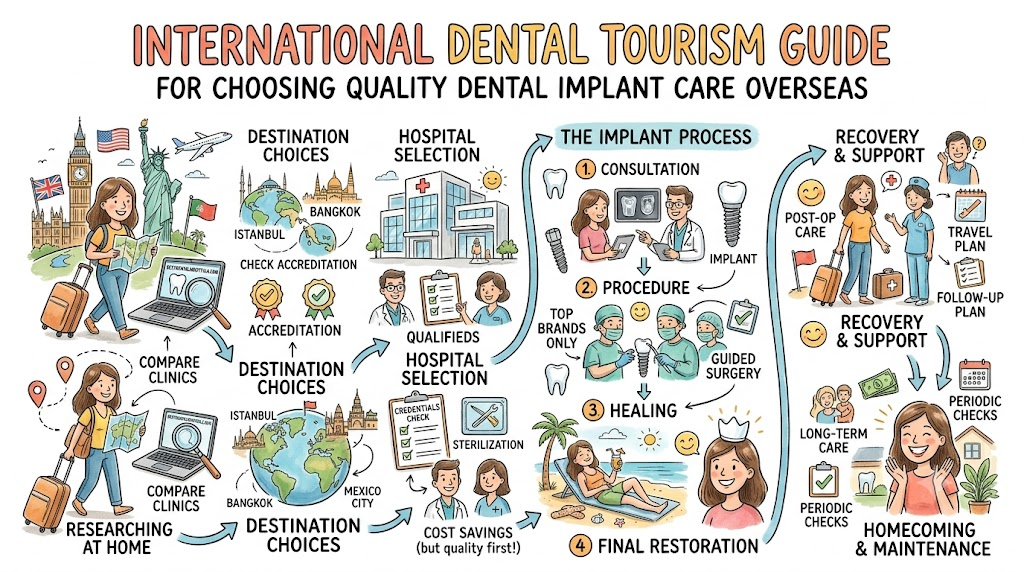
Traveling across borders for comprehensive oral healthcare has become an increasingly popular pathway for individuals seeking high-standard clinical care, specialized procedures, and manageable financial arrangements. Many people explore international options because local treatment plans for extensive restorations, such as full-mouth reconstructions or multiple surgical placements, can present substantial financial hurdles. However, navigating cross-border healthcare requires diligent research and structured decision-making, as cost savings alone should never dictate clinical choices. Evaluating provider qualifications, clinical accreditations, facility standards, and long-term aftercare protocols is vital to ensuring safe and successful outcomes. Through this comprehensive guide, readers will discover how to evaluate international facilities, analyze realistic pricing structures, prepare essential medical questions, and understand the core aspects of traveling for specialized care. By leveraging resources like BestDentalHospitals, patients can access transparent information regarding dental tourism, identify top-tier facilities classified among the best dental hospitals, plan complex dental treatment abroad, and evaluate advanced options for dental implants abroad with total clinical confidence.
What Is Dental Tourism?
Dental tourism refers to the practice of traveling to another country to receive specialized, elective, or restorative oral healthcare while often combining the trip with travel and leisure opportunities. Beyond simple affordability, patients actively pursue international care to access highly specialized clinical expertise, state-of-the-art technological infrastructures, shorter waiting periods, and tailored appointment scheduling that accommodates tight personal timelines. International patient departments frequently coordinate comprehensive treatment pathways covering routine procedures like crowns, bridges, tooth whitening, root canal therapies, and cosmetic veneers, as well as highly complex surgical procedures including full-mouth rehabilitation, bone grafting, orthodontic realignments, and advanced All-on-4 full-arch restorations.
Why Patients Consider Dental Treatment Abroad
International dental destinations attract global patients due to a combination of economic advantages, specialized medical expertise, cutting-edge technology, and integrated patient support services. Favorable foreign exchange rates, reduced overhead expenses, and varying operational costs allow top foreign clinics to offer premium care at significantly lower price points without compromising clinical quality. Furthermore, overseas facilities frequently employ multi-specialty teams comprising board-certified prosthodontists, periodontists, oral surgeons, and cosmetic dentists who utilize advanced diagnostic tools such as cone-beam computed tomography (CBCT) scanners, digital intraoral scanners, CAD/CAM milling units, and computer-guided implant placement technology. Complementing these technical capabilities, dedicated international patient departments streamline the entire journey by coordinating multi-lingual communication, local accommodation, airport transfers, and structured appointment calendars.
Best Countries for Dental Tourism: How to Compare Destinations
Selecting an ideal international location for specialized treatment depends on individual health goals, financial constraints, geographical proximity, and the complexity of the required procedures. Rather than declaring a single nation as universally superior, patients must weigh personal priorities, including required travel frequency, language fluency among clinical staff, regional health regulations, and follow-up care feasibility. Comparing destinations through a structured matrix helps balance clinical standards, logistical convenience, and overall travel commitments when researching overseas facilities.
| Comparison Factor | Why It Matters |
|---|---|
| Treatment availability | Determines whether required specialists and custom devices are accessible |
| Dentist expertise | Crucial for complex surgical, restorative, and full-arch procedures |
| Hospital standards | Directly influences patient safety, sterilization protocols, and clinical outcomes |
| Treatment cost | Helps establish overall affordability including travel, stay, and follow-ups |
| Travel accessibility | Affects convenience, flight duration, and stress during recovery periods |
| Follow-up requirements | Essential for multi-stage implant procedures requiring healing intervals |
| Language support | Ensures clear communication between the patient and medical care team |
| Implant systems | Facilitates long-term component availability and maintenance back home |
| Patient support | Helps international visitors manage local transit, lodging, and schedules |
Evaluating clinics on an individual basis remains essential, as institutional quality, clinical experience, and safety standards can vary significantly even within widely recognized medical tourism hubs.
Dental Implant Cost Comparison
Advertised prices for surgical implant procedures vary considerably across global regions, clinical institutions, and individual patient profiles due to numerous underlying variables. Total expenditures depend heavily on the number of fixtures required, the choice of internationally recognized implant manufacturers, custom abutment selections, final crown restoration materials like solid zirconia or layered porcelain, and necessary preparatory treatments such as sinus lifts, tooth extractions, or bone grafting. Additionally, comprehensive clinical estimates must incorporate advanced diagnostic imaging, local or intravenous sedation, customized laboratory fabrication fees, immediate temporary prosthetics, and post-operative progress evaluations, meaning patients must evaluate inclusive, itemized care plans rather than relying strictly on base surgical estimates.
What Should Be Included in a Dental Implant Quotation?
A transparent and professionally structured treatment estimate must detail every phase of the planned clinical journey to prevent unexpected financial obligations during care. Essential components within a comprehensive quotation include initial specialist consultations, high-resolution CBCT diagnostic scans, preliminary extractions, surgical implant placement fees, customized titanium or zirconia abutments, provisional restorations, final custom crowns or bridges, precision dental laboratory fabrication charges, prescribed post-operative medications, and scheduled follow-up visits. Furthermore, patients should clarify whether secondary logistical costs—such as international flights, local hotel stays, daily local transit, and potential revision coverage—are packaged into the agreement or managed independently.
Dental Implants Abroad: Questions Patients Should Ask
Preparing a targeted list of clinical questions empowers international patients to thoroughly vet potential facilities and surgical teams before making travel commitments:
- Who will perform the surgery? Verifies whether a qualified oral surgeon, periodontist, or general practitioner carries out the procedure.
- What qualifications does the dentist have? Establishes board certifications, specialist accreditations, and advanced clinical training.
- How frequently does the dentist perform the procedure? Assesses the clinician’s surgical experience and familiarity with specific treatment techniques.
- Which implant brand will be used? Ensures the specified system is globally recognized and easy to maintain domestically.
- Are replacement components internationally available? Guarantees local dentists can source compatible tools and abutments later.
- Will CBCT imaging be required? Confirms adequate 3D bone density and anatomical mapping prior to surgical intervention.
- Is bone grafting expected? Clarifies if structural augmentation is needed to support stable, long-term fixture integration.
- How many visits are required? Determines whether the treatment protocol involves a single trip or multiple healing stages.
- What temporary teeth will be provided? Ensures functional and aesthetic tooth coverage during the osseo-integration healing phase.
- How long is the healing period? Establishes realistic biological timelines before final prosthetic loading can safely occur.
- What happens if an implant fails? Clarifies warranty policies, revision procedures, and associated financial responsibilities.
- What follow-up is available after returning home? Outlines post-discharge support and communication channels for recovery questions.
- Will implant records be provided? Guarantees patients receive full clinical documentation, serial numbers, and surgical charts upon completion.
Gathering these vital details ensures complete transparency regarding surgical protocols, component quality, and overall treatment continuity.
How to Compare the Best Dental Implant Hospitals
Dentist Qualifications and Experience
Assessing clinician expertise involves reviewing formal university training, postgraduate specialist certifications, international professional memberships, and documented surgical experience in complex restorative care.
Diagnostic and Treatment Planning
Top-tier facilities utilize high-precision 3D CBCT imaging, digital intraoral scanning, and computer-guided implant planning software to evaluate bone volume and accurately map nerve pathways before surgery.
Implant Systems
Reputable hospitals partner exclusively with globally established implant manufacturers that offer documented clinical research, stringent quality control, and widely accessible replacement components worldwide.
Dental Laboratory Quality
High-standard clinical centers maintain integrated, modern dental laboratories equipped with CAD/CAM technology and skilled technicians to ensure precise custom fit, natural aesthetic matching, and structural durability.
Infection-Control Procedures
Leading medical facilities strictly adhere to international sterilization protocols, utilizing hospital-grade autoclaves, single-use surgical packs, cleanroom environments, and rigorous sanitation standards.
International Patient Communication
Exceptional hospitals employ dedicated international coordinators fluent in multiple languages to facilitate clear pre-treatment discussions, transparent consent documentation, and responsive patient inquiries.
Follow-Up and Aftercare
Reliable healthcare institutions offer structured post-operative monitoring, detailed homecare instructions, digital check-ins, and clear protocols for resolving unexpected complications after patients return home.
All-on-4 Dental Implants Abroad
The All-on-4 full-arch restorative technique represents a specialized clinical protocol designed to restore an entire upper or lower arch of missing teeth using four strategically angled implant fixtures. This modern approach often maximizes existing jawbone density and frequently eliminates the need for extensive bone grafting procedures, making it an attractive solution for individuals suffering from severe tooth loss or failing bridge work. Candidates undergo comprehensive multi-phase evaluations involving 3D digital modeling, remaining tooth extractions when clinically necessary, surgical implant placement, and the attachment of an immediate provisional fixed arch. Following an essential healing window during which the fixtures securely integrate with the jawbone, a permanent, custom-engineered prosthetic arch is crafted and secured, yielding functional stability, enhanced bite strength, and natural aesthetics.
Full Mouth Dental Implants Abroad
When addressing multi-quadrant tooth loss, severe periodontal deterioration, or extensive structural damage across both arches, patients often investigate full-mouth dental implant rehabilitations overseas. Comprehensive restorative strategies vary based on oral anatomy, bone volume, and functional requirements, ranging from individual single-unit implants and fixed multi-unit implant bridges to full-arch fixed hybrid prostheses or implant-retained overdentures. Planning these complex, multi-stage treatments requires meticulous evaluation of jaw alignment, facial aesthetics, soft tissue health, and long-term occlusal balance to ensure comfortable chewing mechanics and stable long-term outcomes.
Best Cosmetic Dentistry Hospitals
International facilities offering advanced cosmetic dental care focus on enhancing smile aesthetics while simultaneously preserving structural tooth integrity, oral health, and functional harmony. Highly sought-after cosmetic interventions include custom porcelain veneers, aesthetic ceramic crowns, professional laser tooth whitening, direct composite bonding, surgical gum contouring, and full digital smile makeovers. Prior to undergoing aesthetic enhancements, patients should engage in thorough discussions regarding conservative tooth preparation techniques, material longevity, bite alignment evaluations, custom shade selection, and ongoing maintenance expectations.
Dental Hospital Comparison Checklist
Organizing clinical research through a standardized checklist simplifies the task of evaluating competing international providers and ensures critical quality markers are systematically addressed.
| Area | What Patients Should Evaluate |
|---|---|
| Dentist | Specialist board qualifications, clinical experience, and professional affiliations |
| Diagnosis | Requirement of comprehensive 3D CBCT scans, digital models, and oral exams |
| Treatment plan | Clear presentation of primary treatment steps, alternatives, and timelines |
| Materials | Specification of globally recognized implant brands, crown porcelain, and alloys |
| Cost | Full breakdown of surgical, laboratory, diagnostic, and medication charges |
| Timeline | Total number of days required per trip and necessary healing intervals |
| Temporary teeth | Quality, functionality, and aesthetic design of provisional restorations |
| Aftercare | Written post-op instructions, emergency contacts, and long-term check-up guidance |
| Documentation | Complete copies of surgical records, diagnostic files, and component serial numbers |
| Communication | Prompt, transparent responses and multi-lingual coordinator availability |
Utilizing this checklist ensures that key aspects of treatment safety, materials, and clinical planning are verified prior to final booking.
Travel Planning for Dental Treatment Abroad
Successfully organizing international oral healthcare requires combining medical scheduling with practical travel logistics to ensure a comfortable and stress-free recovery period. Patients should plan for adequate downtime following surgical procedures, as mild swelling, localized discomfort, and temporary dietary adjustments are common during early healing stages. Choosing accommodation located in close physical proximity to the clinic minimizes transit fatigue and facilitates easy access for follow-up adjustments, suture removal, or unexpected check-ups. Furthermore, booking flexible flight itineraries accommodates potential schedule adjustments, while multi-stage treatments require careful coordination between initial surgical visits and secondary restorative trips.
Understanding Risks and Warning Signs
Maintaining a balanced, safety-first perspective during international care selection requires recognizing red flags and questionable commercial practices before committing to treatment. Patients should exercise caution if a provider guarantees success outcomes prior to conducting thorough clinical examinations, recommends aggressive full-mouth extractions without offering conservative alternatives, or refuses to disclose the specific identity, credentials, and experience of the operating surgeon. Additional warning signs include unbranded or obscure implant materials, opaque pricing structures, high-pressure sales tactics emphasizing steep flash discounts, and an inability to articulate structured protocols for managing potential post-surgical complications.
Aftercare Following Dental Treatment Abroad
Maintaining rigorous homecare habits and structured oral hygiene regimens following major restorative surgery is fundamental to preventing infection and supporting long-term implant integration. Patients must strictly adhere to prescribed antibiotic schedules, post-operative mouth rinses, recommended dietary restrictions, and meticulous soft-bristled brushing techniques around surgical sites. Prior to departure, individuals should secure comprehensive clinical records, diagnostic imaging files, detailed component serial codes, and written homecare guidelines to share with their primary domestic dentist for ongoing routine care, professional cleanings, and long-term maintenance.
How BestDentalHospitals Helps Patients Compare Options
Navigating international oral healthcare choices becomes vastly simpler when utilizing modern comparison resources designed to deliver clear, unbiased information. BestDentalHospitals serves as an intuitive discovery platform that allows prospective patients to explore verified international dental clinics, review specialist dentist credentials, evaluate facilities, compare procedural approaches, and study estimated regional pricing models. By offering transparent access to clinical accreditations, international patient services, component options, and customized quotation inquiries, the platform empowers users to conduct thorough research and make fully informed healthcare decisions in close consultation with qualified medical professionals.
Cost vs Long-Term Treatment Value
While lower upfront prices represent a primary driver for seeking care overseas, long-term treatment value should remain the ultimate deciding factor for any medical procedure. Investing in high-grade materials, proven surgical expertise, precise digital planning, and globally supported implant systems drastically reduces the risk of mechanical failures, biological complications, or early structural wear. Choosing unverified budget providers without adequate diagnostics often leads to premature prosthetic breakdown or implant failure, resulting in costly, complex corrective procedures that far exceed initial savings.
Frequently Asked Questions
1. What primary factors influence overall costs when getting dental implants abroad?
Overall expenses depend on the total number of implant fixtures required, necessary diagnostic 3D imaging, specialized pre-surgical procedures like bone grafting or sinus lifts, chosen implant brands, final restoration materials, dentist expertise, and integrated dental laboratory charges.
2. Is it safe to travel internationally for complex dental procedures?
Yes, traveling abroad for dental treatment is safe when patients thoroughly research accredited medical facilities, verify dentist board qualifications, ensure hospital-grade infection controls are followed, and confirm clear post-operative care and communication protocols are established.
3. How long do patients need to stay overseas for All-on-4 treatment?
Initial visits typically require 7 to 10 days for diagnostic mapping, tooth extractions, surgical fixture placement, and provisional bridge fitting, followed by a secondary trip several months later for final custom arch placement.
4. Why are dental procedures significantly less expensive in certain overseas destinations?
Lower pricing in top medical tourism countries stems primarily from lower real estate overhead, reduced operational expenses, favorable currency exchange dynamics, and lower local labor costs, rather than compromised clinical standards or low-grade materials.
5. Can domestic dentists maintain dental implants placed by international surgeons?
Yes, provided the overseas surgeon uses a globally recognized implant system and provides complete clinical documentation, including exact fixture sizes, connection types, and component serial numbers, for your home dentist’s future reference.
6. What essential information should be detailed in an international dental estimate?
A proper estimate must clearly itemize diagnostic scans, specialist consultation fees, surgical placement, abutment costs, temporary prosthetics, final crown or bridge materials, laboratory fabrication charges, prescribed medications, and scheduled follow-up visits.
7. What happens if an international dental implant fails after returning home?
Reputable international hospitals maintain clear guarantee policies, offering free clinical revisions or fixture replacements, though patients are generally responsible for their return travel and accommodation expenses during follow-up trips.
8. Are temporary teeth provided during multi-stage implant procedures abroad?
Yes, dentists craft custom functional and aesthetic provisional teeth—such as temporary bridges or overdentures—to protect surgical sites, maintain appearance, and support basic chewing function throughout the osseo-integration healing period.
9. How can patients verify the credentials of an international dentist?
Patients can check international specialist board certifications, review professional memberships in global dental associations, request documented case histories, and verify clinical qualifications directly through clinic patient coordinators or independent health portals.
10. Are bone grafting procedures always required before getting dental implants?
Bone grafting is only required when 3D CBCT diagnostic imaging reveals insufficient jawbone volume or density to securely anchor and support the surgical implant fixture long-term.
11. What is the typical recovery period after receiving dental implants overseas?
Initial soft-tissue healing and mild swelling usually settle within 7 to 14 days, whereas complete biological bone integration around the implant fixture takes between three to six months before final crowns are placed.
12. How does an international discovery platform assist in planning dental care?
Platforms like BestDentalHospitals streamline research by providing organized comparisons of accredited clinics, dentist qualifications, procedure options, patient reviews, and transparent pricing estimates, making cross-border healthcare planning clearer and more accessible.
Conclusion
Embarking on international dental care offers an exceptional pathway to achieving comprehensive smile restoration, provided patients prioritize rigorous clinical research over low prices alone. Evaluating provider qualifications, facility standards, diagnostic technology, component quality, and long-term aftercare support ensures safe and successful outcomes. Platforms like BestDentalHospitals provide valuable research tools to help individuals compare international facilities, understand procedure options, and request detailed treatment estimates with total clarity. Ultimately, all clinical decisions, surgical plans, and restorative pathways should be made in direct consultation with qualified dental professionals following a comprehensive in-person examination and proper diagnostic assessment.

Leave a Reply
You must be logged in to post a comment.